How New Construction Property Taxes Work & How You Can Prepare
About the Author: Nicole Schnell

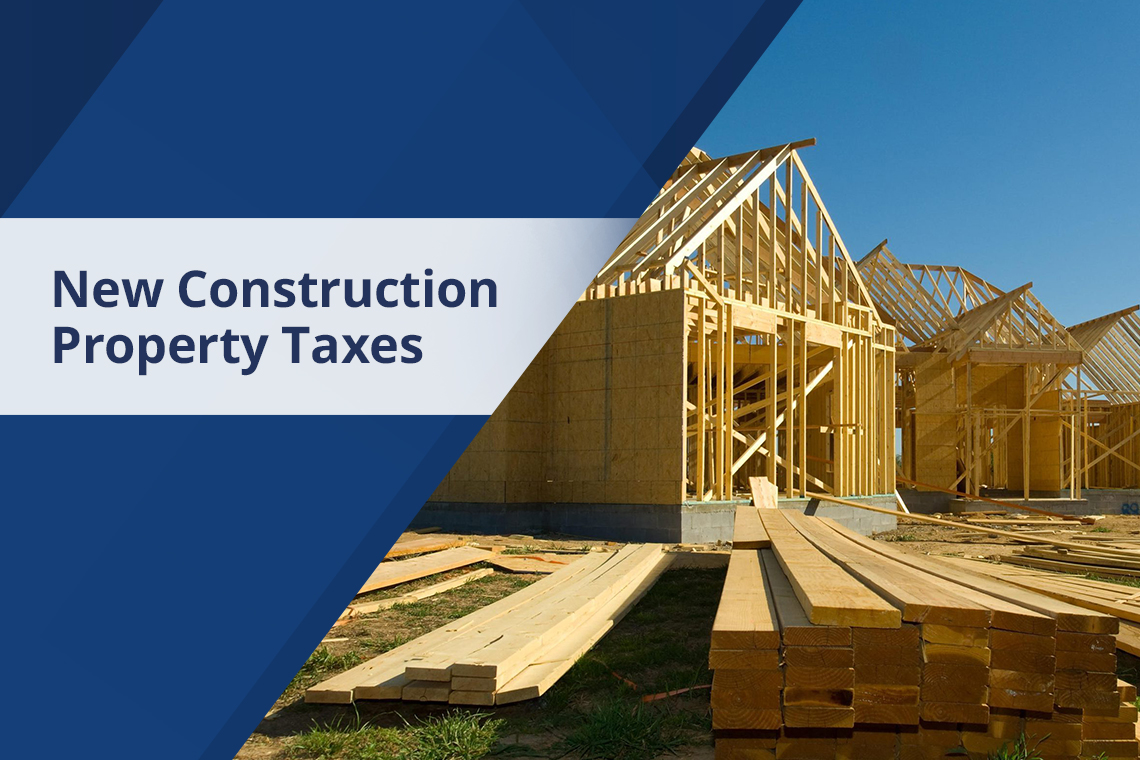
Here’s what you need to know about new construction property taxes:
- New construction includes any improvement to vacant land or existing structures, not just brand-new properties.
- The taxable value is appraised based on the value of the land, existing structures, and the percentage of construction completed as of January 1.
- Keep detailed records and evidence of construction progress and costs to prove a lower value in your property tax protest.
- Work with Gill, Denson & Company to ensure you only pay your fair share of property taxes on new construction.
What Is Considered New Construction?
New construction is not just a brand new property on what was once vacant land. It also includes improvements, such as major remodels, new buildings, garages, or additions to existing structures. The new construction is subject to property taxes even before construction is finished, if it adds value to the property. The county appraisal district (CAD) will assess the value of the land and the completed portion of construction as of January 1.
How Is New Construction Tax-Appraised?
The CAD will assess the land separately from any structures or improvements on it, and then combine the two values. Typically, CADs review comparable sales data to determine a fair market value and make adjustments for differences. They may also use a cost-basis approach with estimated construction costs. For unfinished construction, the current value is calculated by applying the estimated percentage completed as of January 1 to the expected final value.
If the finished property is expected to be valued at $600,000 and is only 25% complete as of January 1, then its current value could be set at $150,000. Again, this would only be the value of the new structures and/or improvements. The value of the land and any existing structures would be added to this number. That total value is then used to calculate your property tax bill.
How Can You Prepare for New Construction Property Taxes?
You have the right to protest your new construction assessment, the same as you do for your annual property taxes. The protest process is very similar, but the evidence you’ll need to gather looks a little different. Here are a few steps you can take to prepare for your new construction property taxes:
- Be aware of the construction progress and take photos of the status as of the January 1 assessment date.
- Keep detailed records of all construction estimates, invoices, contracts, permits, and blueprints.
- Carefully review your Notice of Appraised Value for any mistakes, such as square footage, fair comparables, accurate construction progress estimate, etc.
- Consider working with a professional property tax protest company to ensure your property tax bill won’t be higher than it should be.
Keep in mind that the county can go back three years to correct errors for missing improvements. Look out for re-notices or correctional notices from your local CAD so you don’t miss a payment or the opportunity to counter their corrections. Hang on to any documentation and evidence for three years in case you need it to protest.
New construction is an exciting time for property owners, whether it’s a complete new build or much-desired improvements on an existing property. Don’t let the fear or stress of additional property taxes keep you from moving forward, and don’t wait until the bill arrives to do something about it.
Get started with Gill, Denson & Company today to make sure your new construction property taxes are accurately assessed.